Are you tired of feeling sluggish, gaining weight, and battling brain fog despite your best efforts?
You're not alone. Millions worldwide struggle with thyroid imbalances, particularly hypothyroidism, a condition where your thyroid gland doesn't produce enough crucial hormones. This can turn daily life into an uphill battle, impacting everything from your energy levels to your mood and metabolism.
But what if there were effective, natural strategies you could implement alongside conventional treatments to reclaim your vitality? This article delves into science-backed thyroid health remedies that truly work, offering a holistic roadmap to support your thyroid and overall well-being.
Understanding Hypothyroidism: More Than Just a Slow Metabolism
Before we dive into remedies, it's crucial to understand what hypothyroidism is and its far-reaching impact on your body.
Your thyroid, a small butterfly-shaped gland located at the base of your neck, is a master regulator. It produces hormones, primarily thyroxine (T4) and triiodothyronine (T3), that influence nearly every cell, tissue, and organ in your body. These hormones are vital for regulating your metabolism, energy levels, body temperature, heart rate, mood, and even cognitive function.
When you have hypothyroidism, your thyroid gland doesn't produce enough of these essential hormones. This slowdown can manifest in a wide array of symptoms, often subtle at first, but gradually worsening over time. Common signs include persistent fatigue, unexplained weight gain, difficulty losing weight, increased sensitivity to cold, dry skin, brittle nails, hair loss, muscle aches, constipation, and a general feeling of sluggishness. Many individuals also report brain fog, memory issues, and mood disturbances like depression.
Diagnosing hypothyroidism typically involves blood tests to measure levels of Thyroid Stimulating Hormone (TSH), T4, and sometimes T3. A high TSH level often indicates an underactive thyroid. While conventional treatment usually involves synthetic thyroid hormone replacement, many individuals seek complementary approaches to better manage their symptoms and support overall thyroid health. This article explores these natural remedies, focusing on how they can work in synergy with medical care to improve your quality of life.
💡 Key Takeaway
Hypothyroidism, characterized by insufficient thyroid hormone production, affects metabolism, energy, and mood, leading to a range of debilitating symptoms. Understanding its broad impact is the first step toward effective management.
The Foundational Pillars: Diet and Nutrition for Thyroid Support
What you eat profoundly impacts your thyroid. A nutrient-dense diet is fundamental for optimal thyroid function and alleviating symptoms of hypothyroidism.
Optimize Iodine Intake
Iodine is an indispensable building block for thyroid hormones. Without sufficient iodine, your thyroid cannot produce T3 and T4. Good dietary sources include seaweed (kelp, nori), fish, dairy products, and iodized salt. However, balance is key: both too little and too much iodine can be problematic for the thyroid, especially in autoimmune thyroid conditions like Hashimoto's. Consult your doctor or a nutritionist to determine appropriate levels for you.
Boost Selenium
Selenium is a powerful antioxidant and crucial for the conversion of T4 into the active T3 hormone. It also protects the thyroid gland from oxidative damage. Brazil nuts are an excellent source, with just a few providing your daily requirement. Other sources include tuna, sardines, eggs, and legumes. Aim for a balanced intake, as excessive selenium can also be harmful.
Ensure Zinc Sufficiency
Zinc plays a vital role in both thyroid hormone synthesis and the proper function of TSH. Zinc deficiency can lead to lower T3 and T4 levels. Foods rich in zinc include oysters, beef, chicken, nuts (like cashews and almonds), and legumes. Supplementation may be considered if dietary intake is insufficient, but always under professional guidance.
Focus on L-Tyrosine
L-tyrosine is an amino acid that serves as a precursor to thyroid hormones. It combines with iodine to form T3 and T4. While your body can produce L-tyrosine, ensuring adequate protein intake from sources like poultry, fish, dairy, and legumes can support its availability. For some, targeted supplementation can be beneficial, especially if dietary intake is compromised.
Support with B Vitamins and Magnesium
B vitamins, particularly B12, are essential for energy production and often deficient in individuals with hypothyroidism, contributing to fatigue. Magnesium is involved in hundreds of bodily processes, including energy production and nerve function, and can also help with common hypothyroid symptoms like muscle cramps and constipation. Incorporate leafy greens, whole grains, nuts, and seeds into your diet.
Limit Goitrogens and Processed Foods
Certain foods, known as goitrogens (found in raw cruciferous vegetables like broccoli, cauliflower, and kale), can interfere with thyroid hormone production when consumed in very large amounts, especially raw. Cooking these vegetables can largely mitigate their goitrogenic effect. More importantly, reducing highly processed foods, sugary drinks, and unhealthy fats is crucial, as they can contribute to inflammation and gut issues that impact thyroid health.
Lifestyle Adjustments for a Thriving Thyroid
Beyond diet, your daily habits play a pivotal role in managing hypothyroidism and promoting overall wellness.
1. Stress Management: Chronic stress is a significant disruptor of thyroid function. When you're stressed, your body releases cortisol, which can interfere with the conversion of T4 to active T3 and suppress TSH production. Incorporating stress-reducing techniques like meditation, yoga, deep breathing exercises, or simply spending time in nature can make a profound difference. Even 15-20 minutes a day of mindful relaxation can lower cortisol levels and support your endocrine system. For more insights into holistic approaches, consider reading about how to improve thyroid health naturally.
2. Regular Exercise: Physical activity is crucial for boosting metabolism, improving energy levels, and managing weight, all of which are common challenges with hypothyroidism. Aim for a combination of cardiovascular exercise, strength training, and flexibility exercises. Even moderate activities like brisk walking, swimming, or cycling can stimulate your thyroid and improve overall circulation. Start slowly and gradually increase intensity and duration, listening to your body to avoid overexertion.
3. Quality Sleep: Sleep is when your body repairs and regenerates. Chronic sleep deprivation can exacerbate thyroid symptoms, contribute to fatigue, and disrupt hormone balance. Aim for 7-9 hours of quality sleep per night. Establish a consistent sleep schedule, create a relaxing bedtime routine, and optimize your sleep environment to promote deep, restorative rest. Avoiding screens before bed and limiting caffeine in the afternoon can also significantly improve sleep quality.
4. Gut Health: A healthy gut is intricately linked to a healthy thyroid. Around 20% of T4 is converted to T3 in the gut, and gut dysbiosis (an imbalance of gut bacteria) can impair this conversion. Furthermore, a leaky gut can trigger autoimmune responses, which are often implicated in conditions like Hashimoto's thyroiditis, a common cause of hypothyroidism. Incorporate probiotic-rich foods (fermented vegetables, yogurt, kefir) and prebiotic fibers (onions, garlic, asparagus) into your diet to foster a balanced gut microbiome. Addressing food sensitivities and ensuring proper digestion are also vital steps.
5. Environmental Toxin Reduction: Exposure to certain environmental toxins, such as pesticides, heavy metals, and endocrine-disrupting chemicals (EDCs) like phthalates and BPA, can interfere with thyroid function. These chemicals can mimic thyroid hormones, block their action, or impair their synthesis. Minimize exposure by choosing organic foods, filtering your water, using natural household cleaners and personal care products, and avoiding plastics where possible. Detoxification support, under professional guidance, may also be beneficial for some individuals.
Targeted Supplementation: Bridging the Nutritional Gaps
While diet and lifestyle are foundational, targeted supplementation can provide additional support for thyroid health, especially when dietary intake isn't enough or specific deficiencies exist. It's important to note that supplements should complement, not replace, conventional medical treatment for hypothyroidism.
Iodine and Selenium
As discussed, these trace minerals are non-negotiable for thyroid hormone production and conversion. Many people do not get enough from diet alone. Look for supplements that provide iodine from natural sources like kelp and bladderwrack, and selenium in forms like L-selenomethionine for better absorption. Proper dosing is critical to avoid adverse effects.
Adaptogenic Herbs
Herbs like Ashwagandha (Withania somnifera) and Schisandra have been used for centuries in traditional medicine to help the body adapt to stress. Ashwagandha, in particular, has shown promise in supporting thyroid function by reducing cortisol levels and potentially improving TSH and T4 levels in subclinical hypothyroidism. Schisandra also contributes to stress resilience and overall vitality.
L-Tyrosine
This amino acid is a direct precursor to thyroid hormones and several neurotransmitters, including dopamine and norepinephrine, which impact mood and energy. Supplementing with L-tyrosine can help ensure the body has ample raw material for hormone synthesis, potentially improving energy and focus for those with deficiencies or increased demand.
B Vitamins and Magnesium
B vitamins, especially B12, are crucial for cellular energy production and nerve health, often deficient in hypothyroid patients. Magnesium supports hundreds of enzymatic reactions, muscle function, and stress response. A high-quality B-complex and magnesium supplement can help combat fatigue, improve nerve function, and support overall metabolic processes.
Zinc, Copper, and Manganese
These trace minerals are essential cofactors for various enzymes involved in thyroid hormone synthesis and conversion. Zinc is particularly important for T4 to T3 conversion. It's crucial to maintain a healthy balance, as high doses of one mineral can sometimes interfere with the absorption of another. A comprehensive formula that provides these in balanced ratios is often ideal.
Antioxidants and Anti-inflammatory Support
Chronic inflammation and oxidative stress can damage the thyroid gland. Antioxidants like Vitamin C, Vitamin E, and Alpha-Lipoic Acid, along with anti-inflammatory compounds like turmeric or cayenne pepper (which also boosts metabolism and circulation), can help protect thyroid cells and support a healthy immune response. This is especially relevant for autoimmune thyroid conditions.
Key Ingredients for Comprehensive Thyroid Support
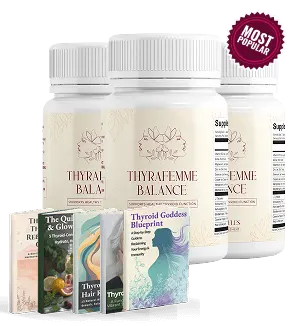
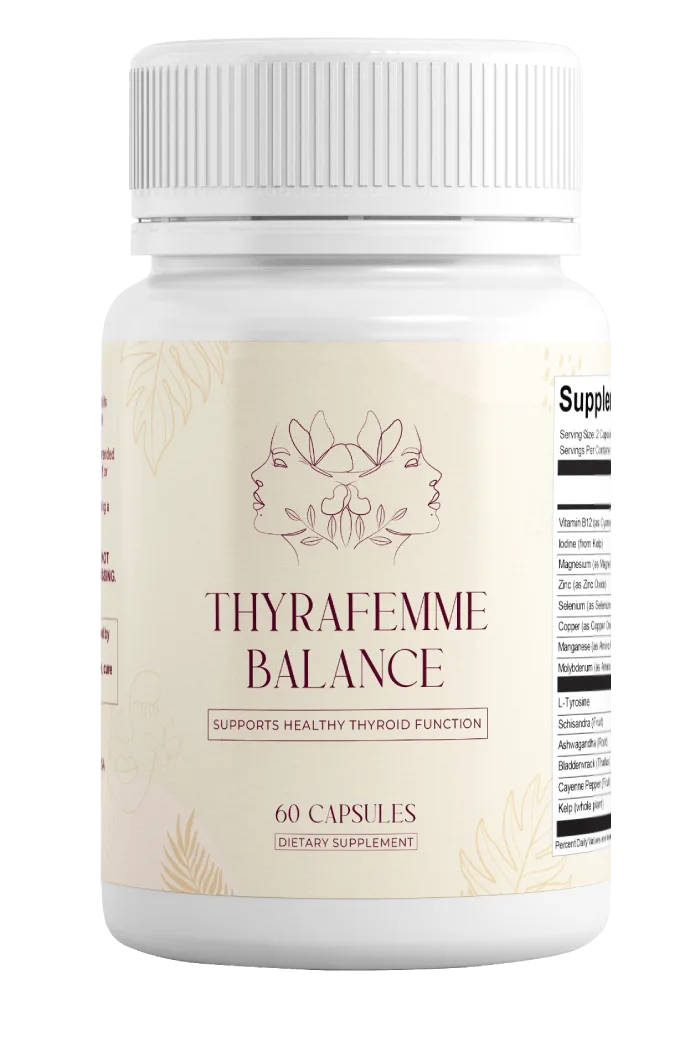
Many effective thyroid support formulas, like ThyraFemme, integrate a synergistic blend of these critical nutrients and botanicals to address multiple aspects of thyroid health.
Iodine (from Kelp & Bladderwrack)
Role: Essential for the synthesis of thyroid hormones T3 and T4. Natural sources like kelp and bladderwrack provide bioavailable iodine, crucial for preventing deficiency and supporting overall thyroid function.
150-200 mcg
L-Tyrosine
Role: An amino acid that serves as a direct precursor to thyroid hormones. It combines with iodine to create T3 and T4, and also supports neurotransmitter production for improved mood and cognitive function.
300-500 mg
Zinc & Selenium
Role: Zinc is crucial for TSH production and T4 to T3 conversion. Selenium is a powerful antioxidant that protects the thyroid and is vital for T4 to T3 conversion. Both are common deficiencies in hypothyroid patients.
Zinc: 10-15 mg, Selenium: 100-200 mcg
Ashwagandha & Schisandra
Role: These adaptogenic herbs help the body manage stress, reduce cortisol, and support adrenal function, which in turn benefits thyroid health. Ashwagandha may directly improve T4 levels and reduce TSH.
Ashwagandha: 300-600 mg, Schisandra: 200-400 mg
Vitamin B12 & Magnesium
Role: Vitamin B12 is essential for energy production and nerve function, often deficient in hypothyroidism. Magnesium supports muscle function, energy metabolism, and can help alleviate fatigue and muscle cramps.
B12: 500-1000 mcg, Magnesium: 200-400 mg
Copper, Manganese & Molybdenum
Role: These trace minerals are cofactors for various enzymes involved in thyroid hormone synthesis and antioxidant defense. Maintaining a balanced intake is crucial for overall endocrine health.
Copper: 1-2 mg, Manganese: 2-5 mg, Molybdenum: 50-100 mcg
Cayenne Pepper
Role: Known for its thermogenic properties, cayenne can boost metabolism and improve circulation. While not directly a thyroid hormone precursor, it supports overall metabolic health which is often sluggish in hypothyroidism.
50-100 mgThe Thyroid-Weight Connection and Holistic Management
One of the most frustrating symptoms of hypothyroidism is its impact on weight. Understanding this connection is key to effective management.
The thyroid gland is central to regulating your metabolism, the process by which your body converts food into energy. When thyroid hormone levels are low, your metabolism slows down significantly, leading to fewer calories being burned at rest. This metabolic slowdown is a primary reason why individuals with hypothyroidism often experience unexplained weight gain and find it incredibly difficult to lose weight, even with diet and exercise. The weight gain isn't just fat; it can also include excess salt and water retention due to decreased kidney function and slower circulation.
Managing the thyroid-weight connection requires a multi-faceted approach. While medication helps normalize hormone levels, incorporating the dietary, lifestyle, and supplemental strategies discussed above can further optimize your metabolism and support healthy weight management. For a deeper dive into this topic, you might find our article on the thyroid and weight loss connection particularly insightful.
This holistic approach focuses on not just balancing hormones, but also addressing underlying factors like inflammation, gut health, and stress, which all contribute to metabolic function. For instance, maintaining stable blood sugar levels through a balanced diet can prevent insulin resistance, which can further complicate weight management in hypothyroid individuals. Regular physical activity, especially strength training, helps build muscle mass, which naturally boosts metabolism. Adequate sleep ensures your body's hunger and satiety hormones (leptin and ghrelin) are balanced, preventing cravings and overeating.
By integrating these remedies, you create a supportive environment for your thyroid to function optimally, which in turn can help normalize your metabolism and facilitate healthy weight management. This journey requires patience and consistency, but the cumulative effects of these strategies can lead to significant improvements in energy, mood, and body composition. Always work closely with your healthcare provider to tailor these approaches to your individual needs and monitor your progress effectively.

Ready to Experience Comprehensive Thyroid Support?
If you're seeking a natural, synergistic blend of ingredients to support your thyroid health, boost metabolism, and enhance overall well-being, ThyraFemme offers a meticulously formulated solution.
- ✓ Supports Healthy Thyroid Hormone Production
- ✓ Boosts Metabolism and Energy Levels
- ✓ Aids in Weight Management Efforts
- ✓ Enhances Focus and Mood
- ✓ Made with Premium, Natural Ingredients



What Our Customers Are Saying
"I've been struggling with low energy and stubborn weight gain for years due to my sluggish thyroid. Since starting ThyraFemme, I feel like a new person! My energy is back, the brain fog has lifted, and I'm finally seeing progress with my weight. Highly recommend!"
"ThyraFemme has been a game-changer for my hypothyroid symptoms. I noticed an improvement in my mood and focus within a few weeks. It's gentle on my stomach and the natural ingredients give me peace of mind. Truly a fantastic product for thyroid support."
"After years of feeling tired and cold all the time, ThyraFemme was suggested by a friend. I was skeptical, but the difference is remarkable. I have more sustained energy throughout the day and even my hair feels healthier. This supplement truly works!"
Frequently Asked Questions
What is hypothyroidism and how does it impact my health?
+Hypothyroidism is a condition where your thyroid gland doesn't produce enough thyroid hormones, primarily thyroxine (T4). These hormones are crucial for regulating metabolism, energy production, body temperature, and many other vital bodily functions. Low levels can lead to symptoms like fatigue, weight gain, cold sensitivity, dry skin, hair loss, muscle aches, and cognitive issues, significantly impacting overall quality of life.
Can diet and lifestyle changes truly help manage hypothyroidism?
+Absolutely. While medication is often necessary for managing hypothyroidism, diet and lifestyle play a significant supportive role. A balanced diet rich in iodine, selenium, zinc, and antioxidants, coupled with regular exercise, adequate sleep, and stress management, can help optimize thyroid function, reduce inflammation, improve energy levels, and alleviate many symptoms associated with the condition.
Are there specific nutrients or supplements beneficial for thyroid health?
+Yes, several nutrients are vital for thyroid hormone production and conversion. These include iodine, selenium, zinc, L-tyrosine, and B vitamins. Adaptogenic herbs like Ashwagandha can also support the thyroid by reducing stress. However, it's crucial to consult a healthcare professional before starting any new supplement, as excessive intake of certain nutrients (like iodine) can be detrimental.
How does stress affect thyroid function, and what can I do about it?
+Chronic stress can negatively impact thyroid function by disrupting the hypothalamic-pituitary-adrenal (HPA) axis, which influences thyroid hormone production. High cortisol levels can inhibit TSH secretion and T4 to T3 conversion. Incorporating stress-reducing practices like meditation, yoga, deep breathing exercises, spending time in nature, and ensuring sufficient sleep can help mitigate these effects and support thyroid health.
Is ThyraFemme a suitable option for everyone with hypothyroidism?
+ThyraFemme is formulated with a blend of natural ingredients known to support thyroid health and metabolism. It is designed for individuals looking for a natural adjunct to their thyroid management strategy. However, it is essential to consult with your doctor before starting ThyraFemme, especially if you are on thyroid medication or have other health conditions, to ensure it is appropriate and safe for your specific needs.
How long does it take to see results from natural thyroid remedies?
+The timeline for experiencing results from natural thyroid remedies can vary widely among individuals, depending on the severity of their condition, consistency of approach, and individual body response. Some people may notice subtle improvements in energy or mood within a few weeks, while significant changes in symptoms and overall well-being may take several months of consistent effort with diet, lifestyle, and targeted supplementation. Patience and consistency are key.
Related Articles